Sundry
- E-commerce
- Integration
Study · Integration. An original study by the Khaeli team; Sundry is a fictional product, not a client.
Overview
Sundry is an invented homeware brand in Malaysia that sells on its own web store and two marketplaces, ships from a third-party warehouse, and keeps its books in a cloud accounting system. This concept is the integration hub that keeps those six systems agreeing, and the console the e-commerce team uses to watch it.
The brief
A brand selling in three places usually discovers its systems disagree at the worst moment: a marketplace sells stock that left the shelf an hour ago, a refund never reaches the books, or a payout doesn't match the orders behind it. Someone then spends a morning in spreadsheets working out which number is right.
We set three rules. Every type of data has one owner, so a disagreement always has an answer. Nothing posts to the accounts on a guess. And the ops team, not a developer, should be able to see what moved, why, and fix what didn't.
Design decisions
- 01
One source of truth per data type
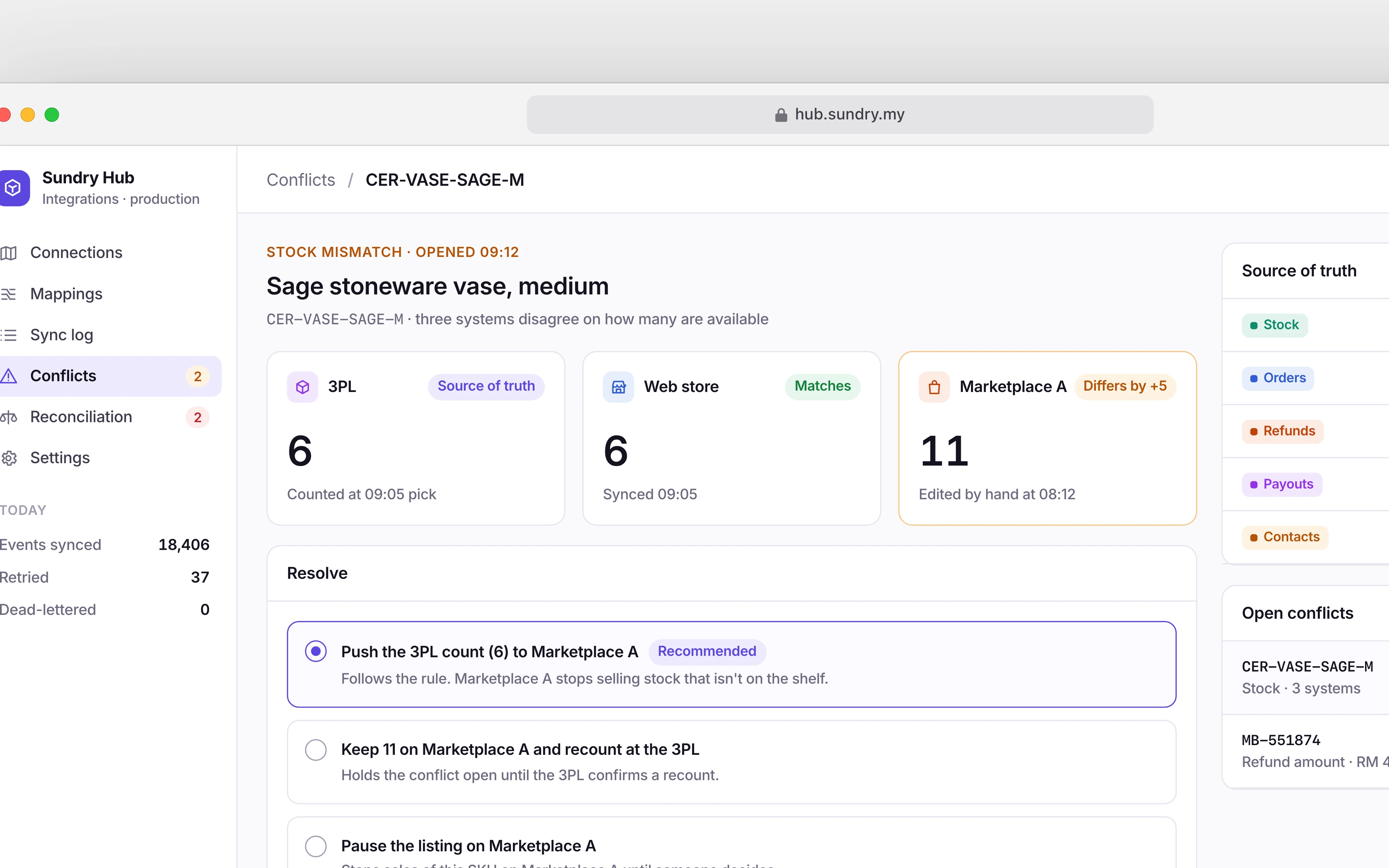
The warehouse owns stock, each channel owns its orders, and the marketplace statement owns payouts. When counts disagree, the hub knows which way to resolve and recommends it, instead of asking someone to pick a number.
- 02
Webhooks where they exist, polling where they don't
The web store pushes events the moment they happen. One marketplace has no webhooks, so the hub polls it every 5 minutes inside its rate limit. The other gets a 15-minute check in case a webhook never arrives.
- 03
Every event can be replayed safely
Each write carries an idempotency key and every event is logged with its payload. Replaying a failed sync can't create a second invoice or double-count stock.
- 04
Hold rather than guess
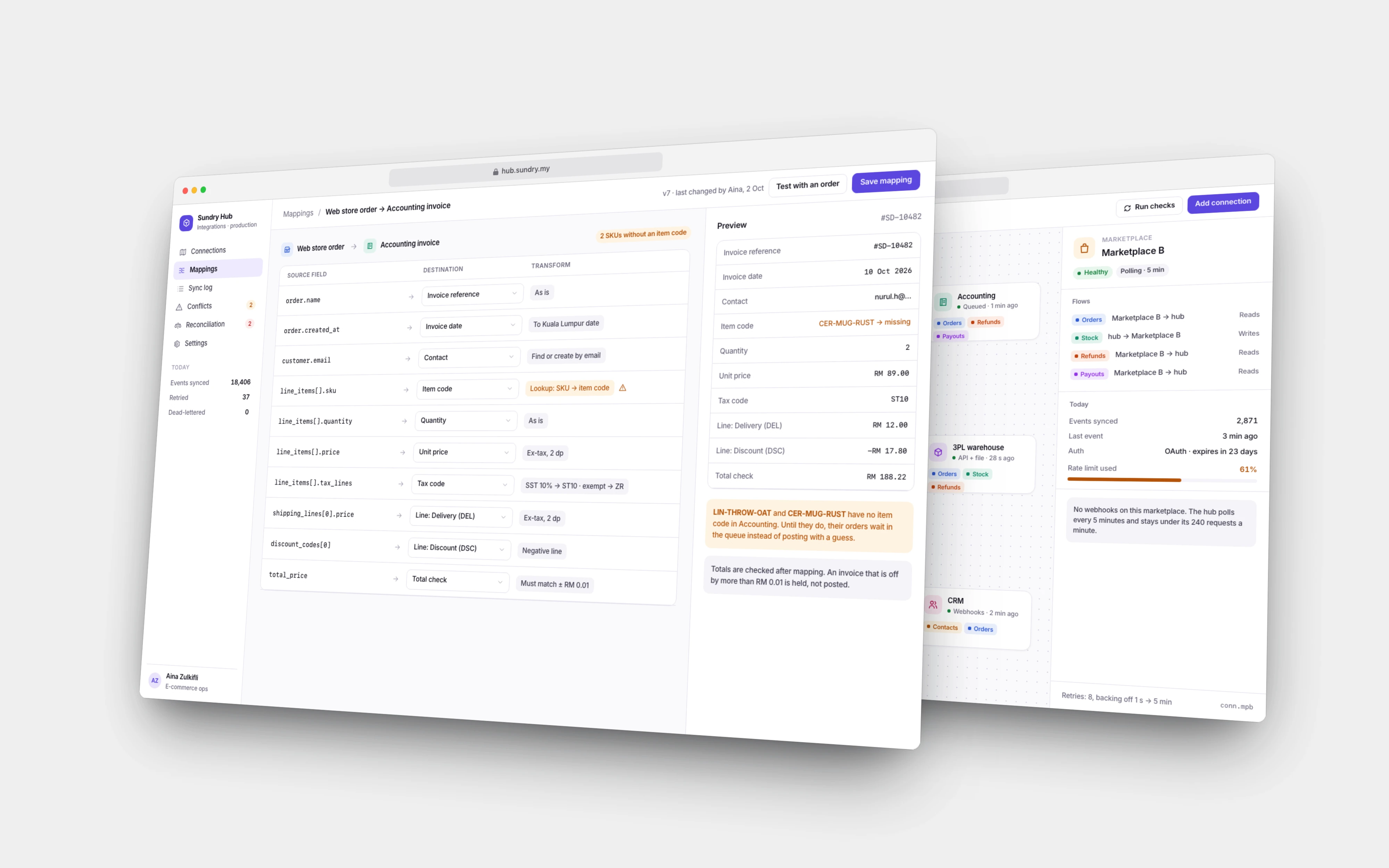
An order with an unmapped SKU, or a total that is off by more than a cent, waits in the queue and shows up as a named problem. A held invoice is easy to fix; a wrong one is found months later.
- 05
Reconciliation runs every morning
At 06:00 the hub matches orders, invoices and payouts per channel and lists only what didn't match. The accountant gets two items to look at instead of four hundred rows.
- 06
Mappings are visible to the ops team
How an order becomes an invoice (tax codes, rounding, SKU to item code) is a screen, not code. When the accountant changes a tax code, ops can see the effect on a real order before saving.
Screens
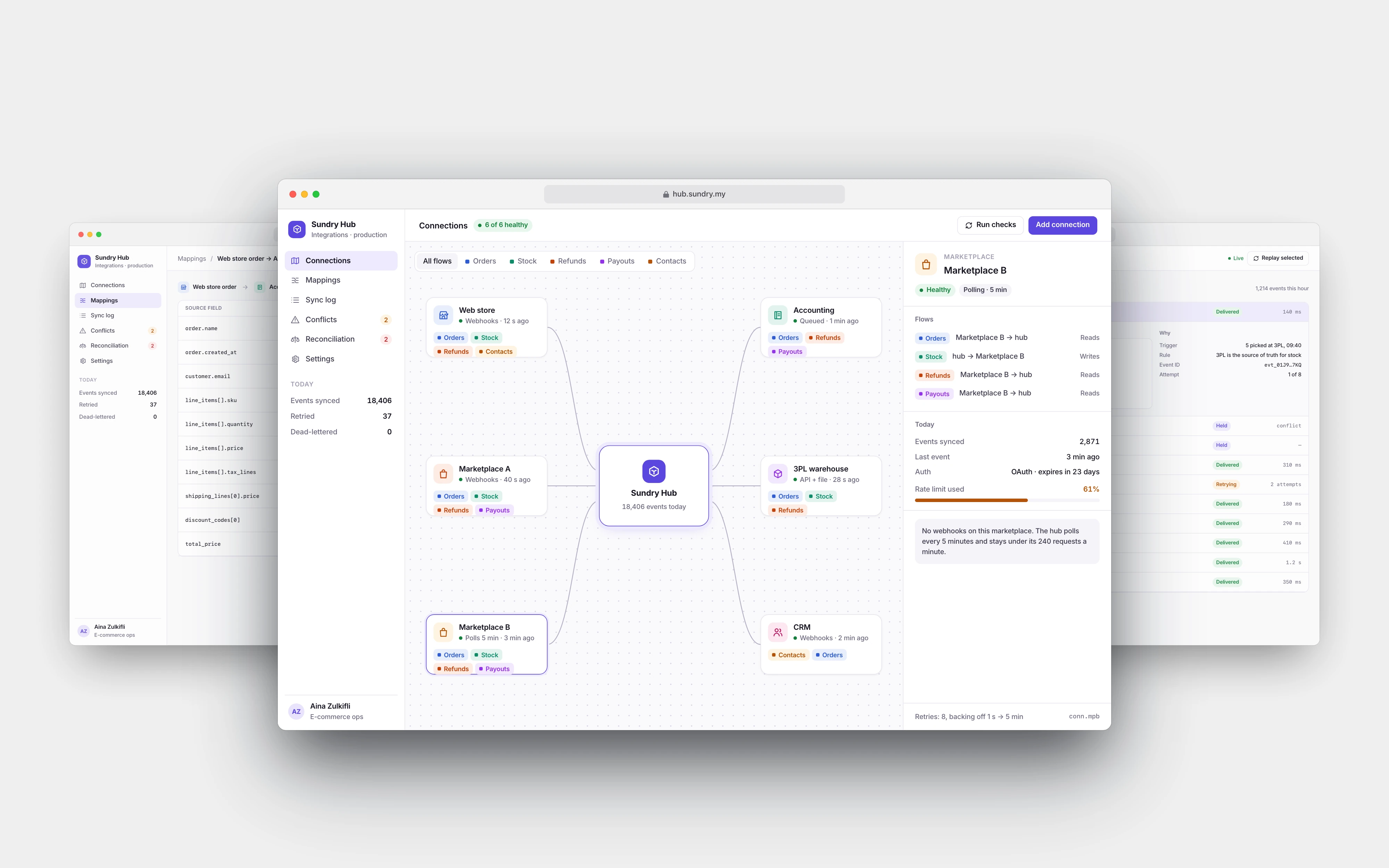
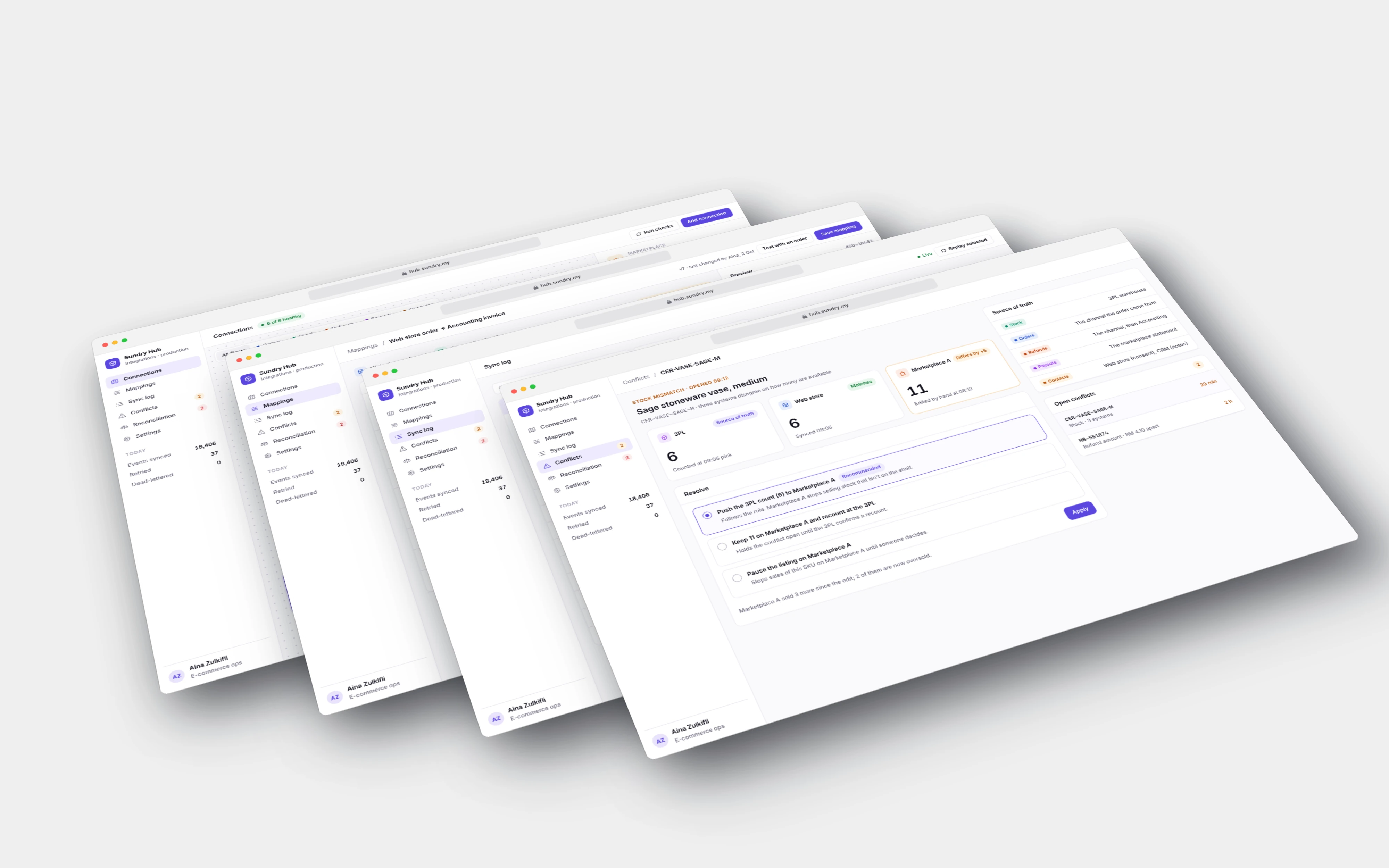
6 screens, each designed at native size and rendered from the code.
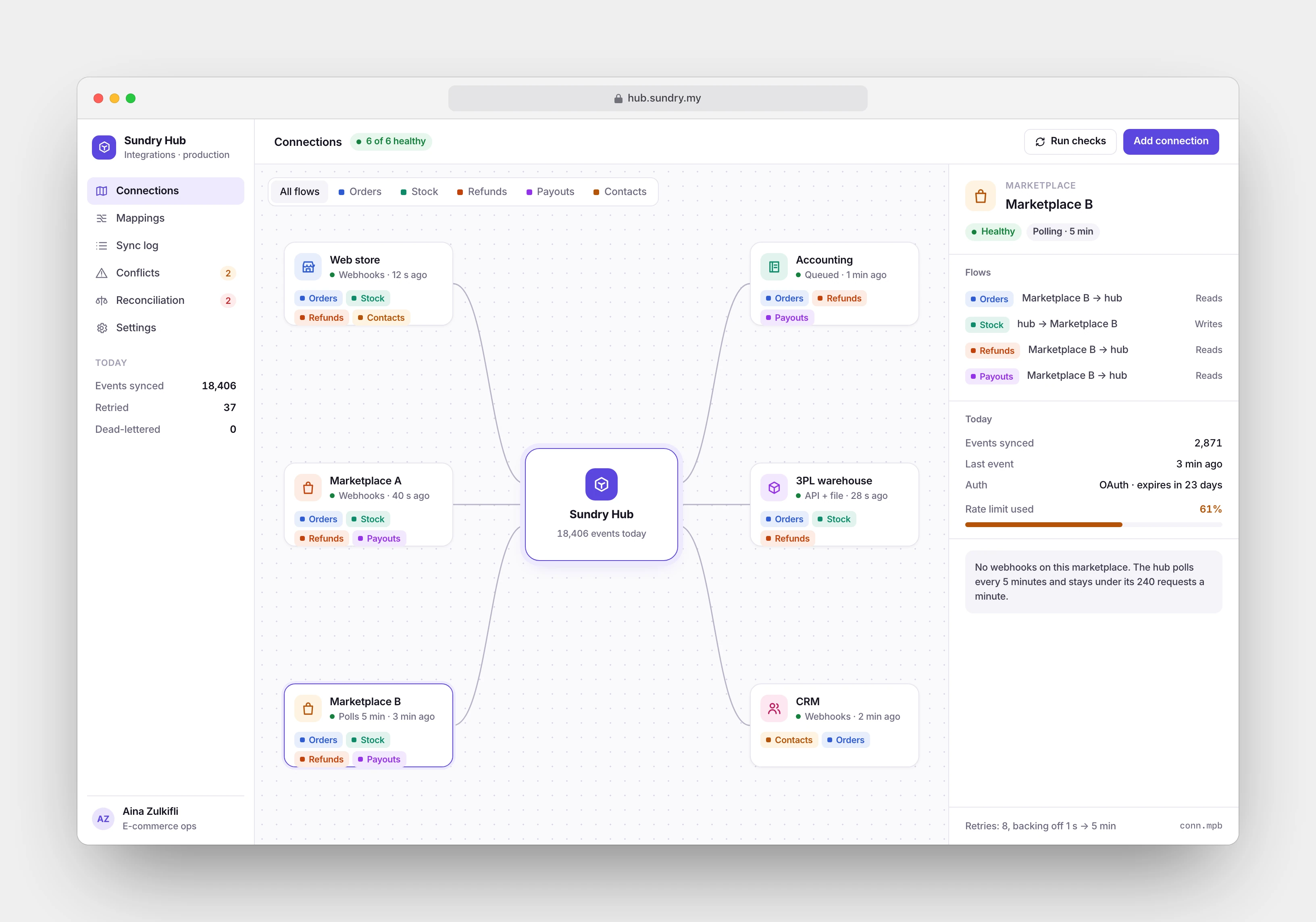
Connections: the hub and the six systems, with each data type's path and the selected marketplace's health. 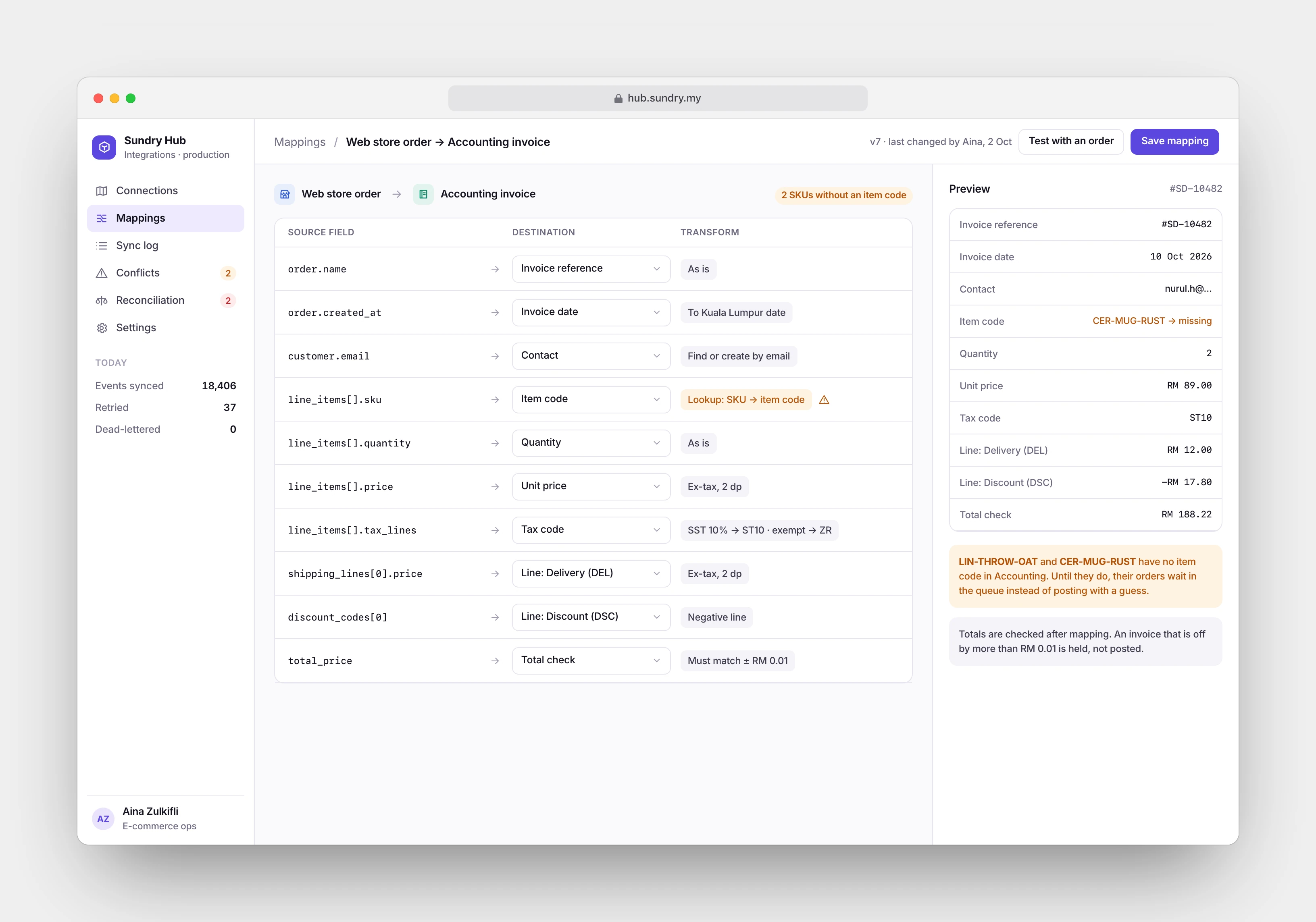
Mappings: how a web store order becomes an accounting invoice, with a live preview and the SKUs that block it. 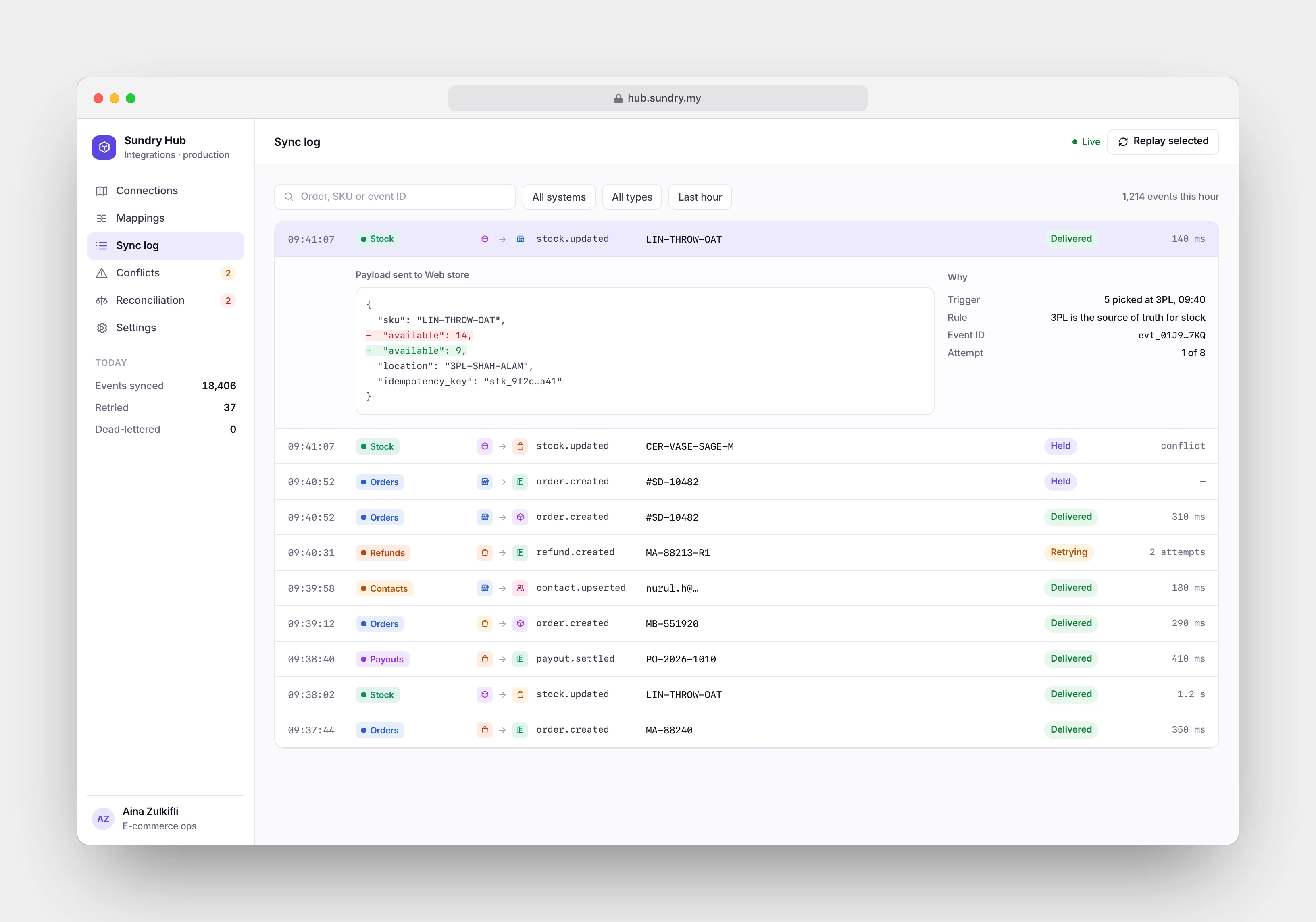
Sync log: every event with source, destination and status, one expanded to show its payload change. 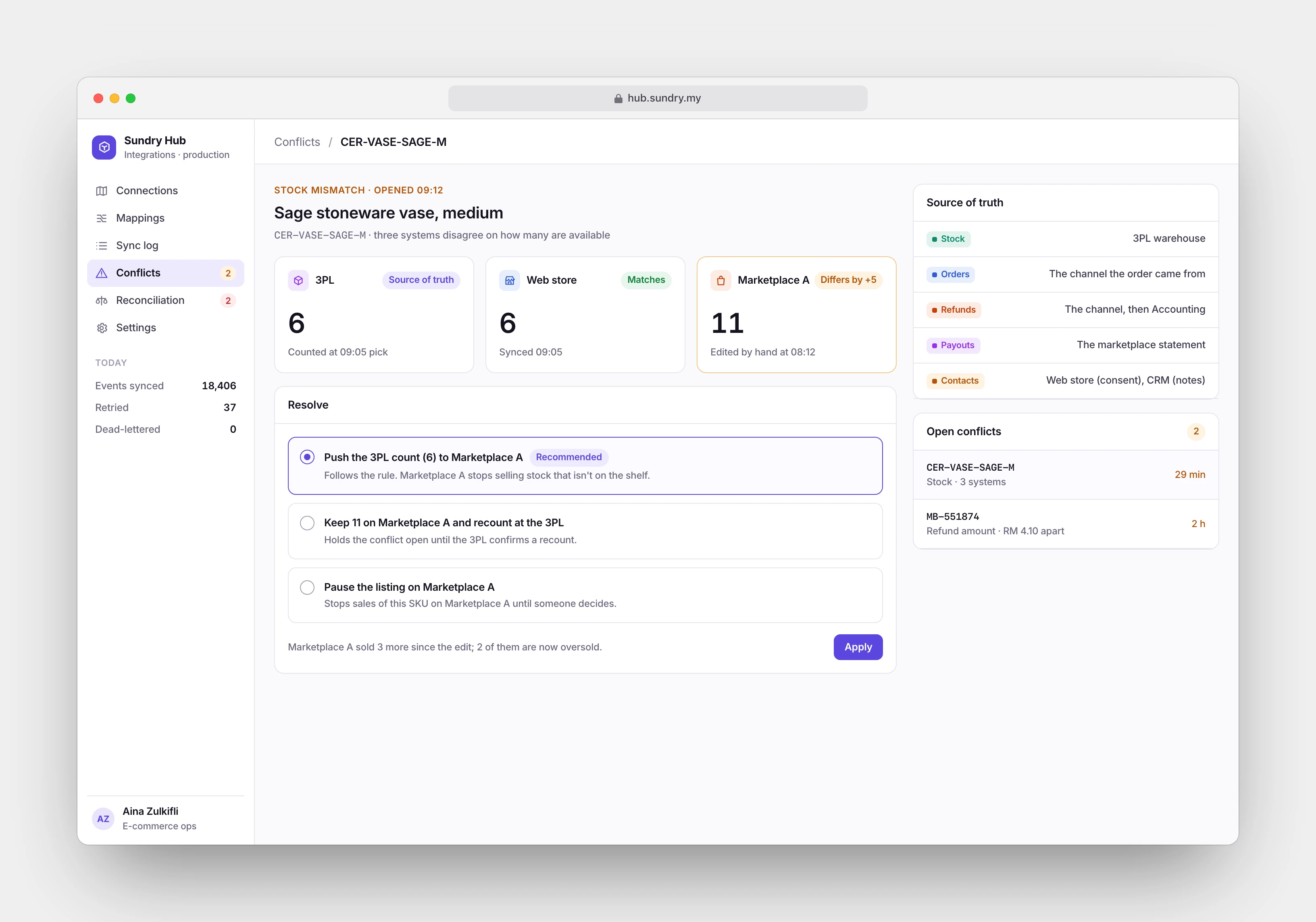
Conflicts: one SKU with three different stock counts, the rule that settles it and the recommended fix. 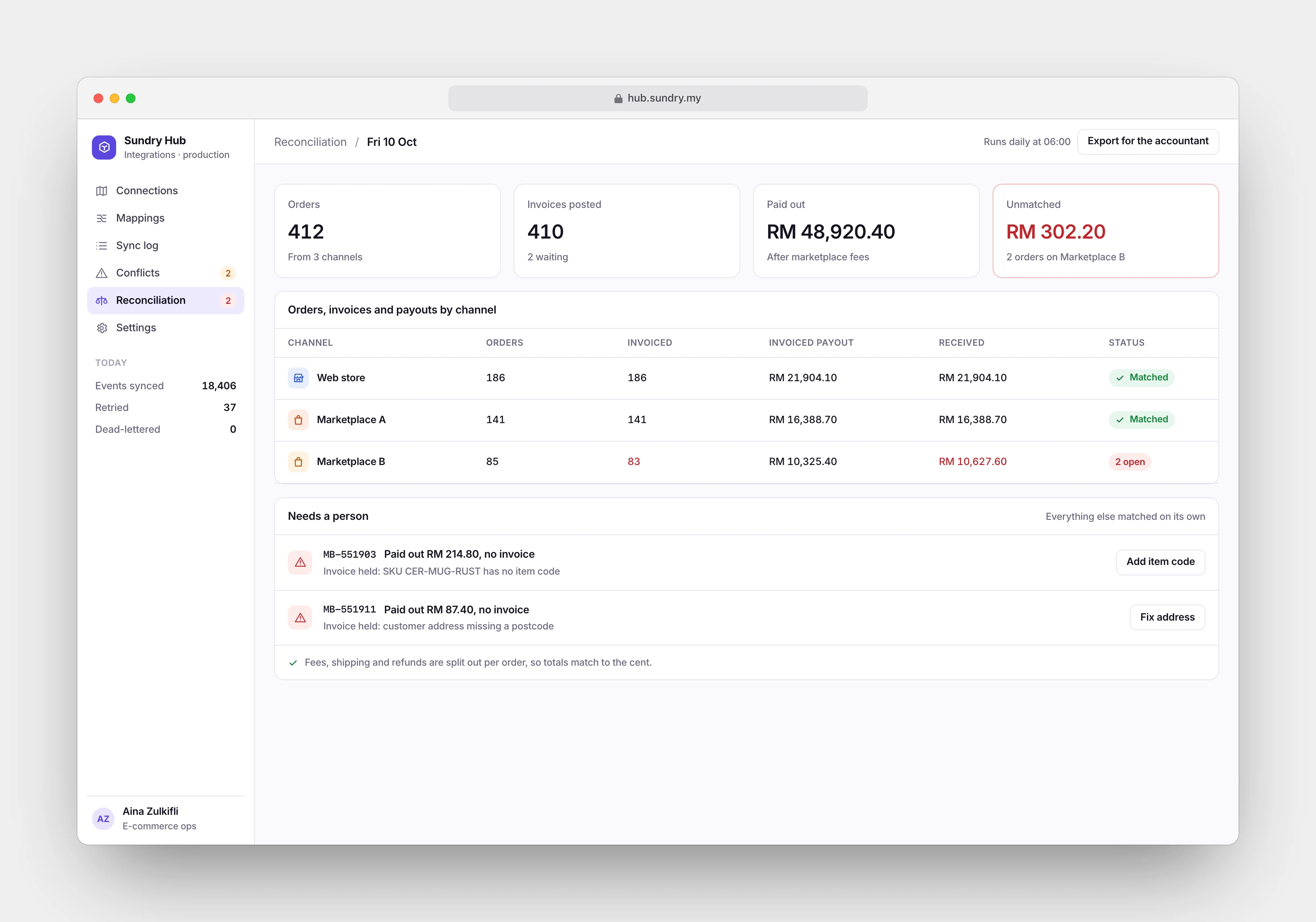
Reconciliation: yesterday's orders, invoices and payouts matched per channel, and the two that need a person. 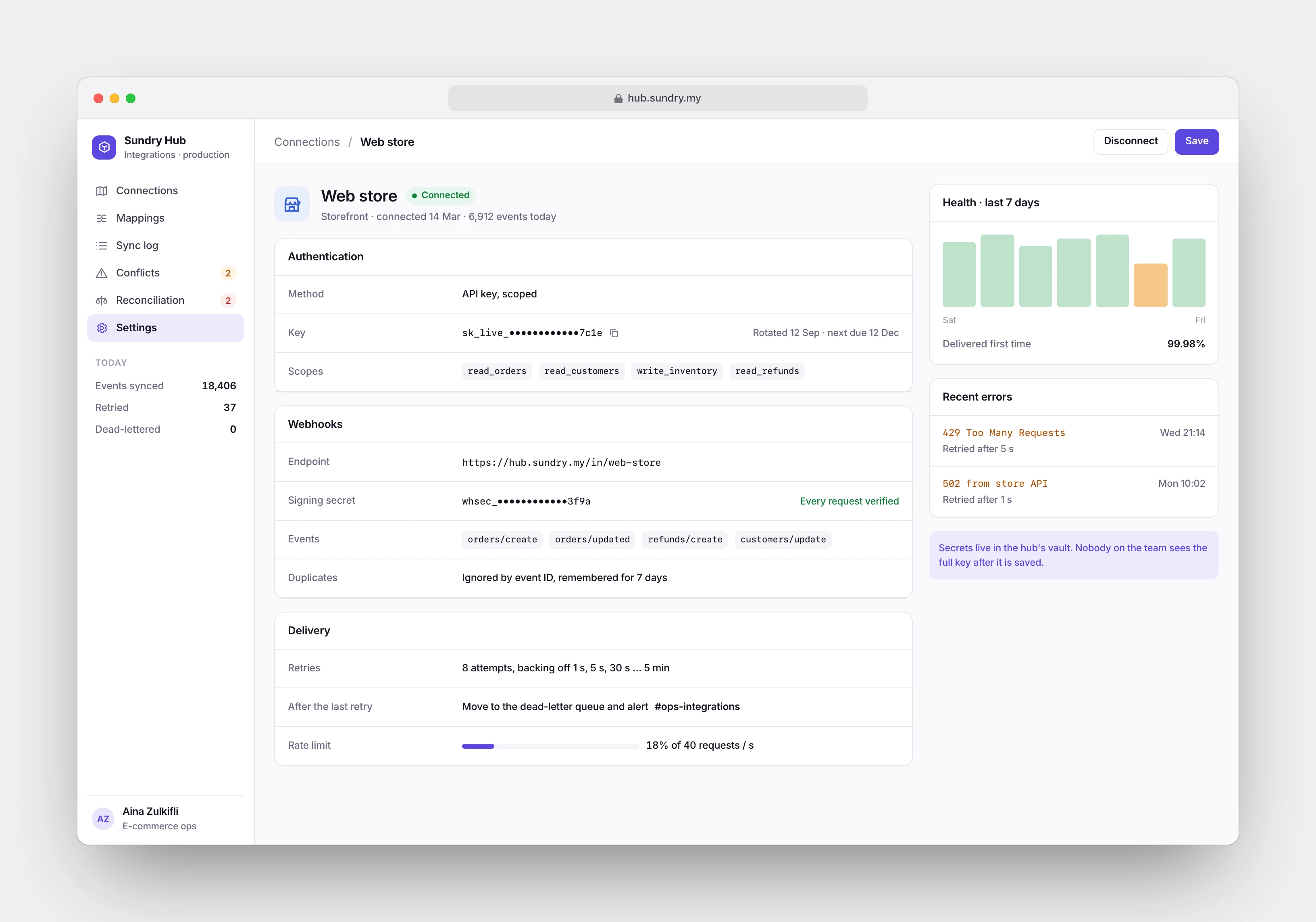
Connection settings: authentication, signed webhooks, duplicate handling, retries and rate limits for the web store. 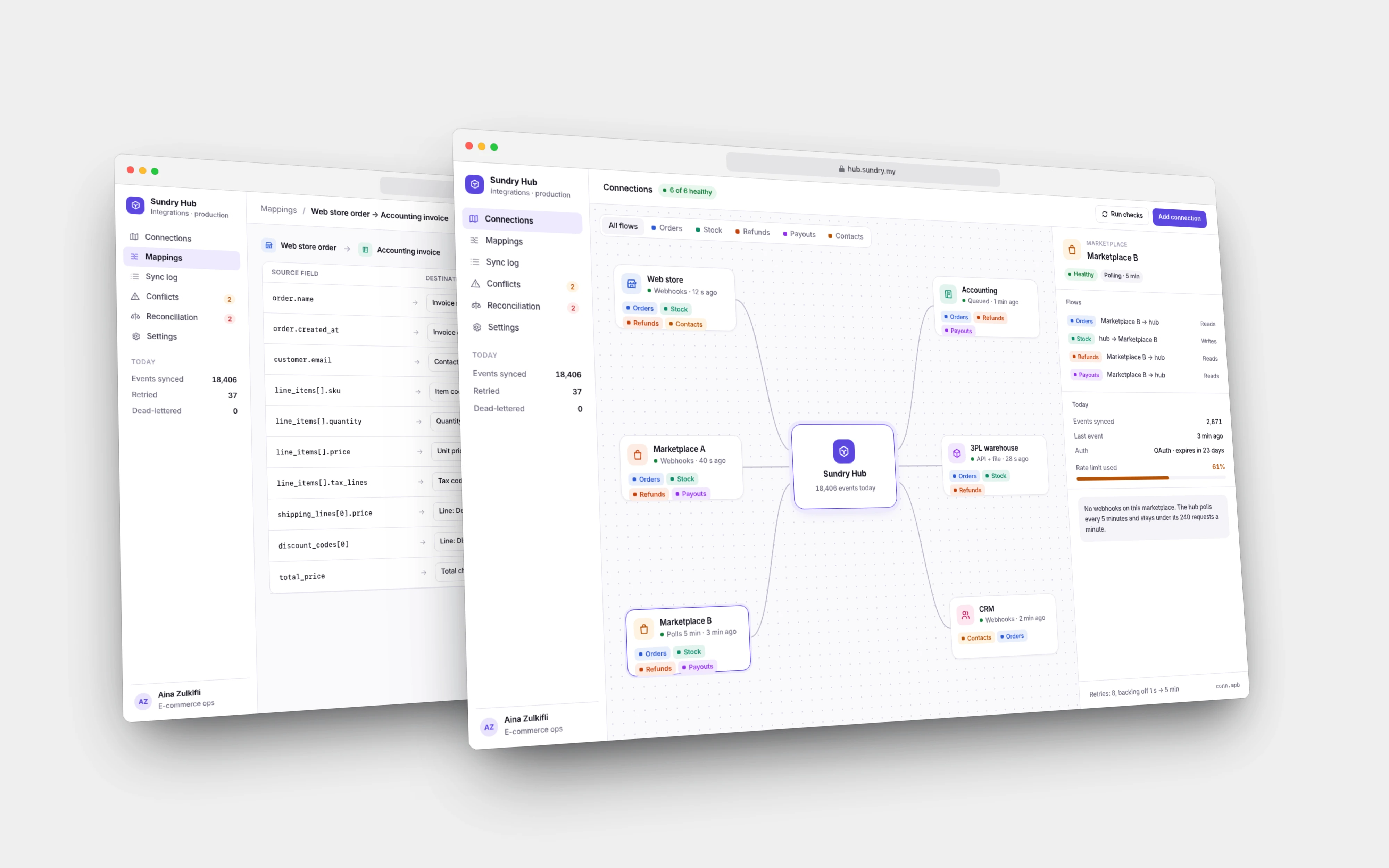
Try it
Connections: the hub and the six systems, with each data type's path and the selected marketplace's health. Running live: click around. On a phone you get the render instead.
Stack
The stack we would choose to ship Sundry for real, and why.
- Hub
- TypeScript workers on AWS ECS, SQS queues with dead-letter queuesevery sync is queued, retried and replayable
- Data
- PostgreSQLevents, mappings and idempotency keys in one store
- Connectors
- Shopify, Shopee and Lazada Open Platform, Xero, HubSpot, 3PL API and SFTPthe systems a Malaysian brand typically runs
- Ops console
- Next.js, Tailwind CSSmappings, conflicts and reconciliation without a developer
- Infrastructure
- Terraform, AWS Secrets Managerkeys stay in a vault, nobody sees them after saving
Want something like this for your business?
We design, build and run integrations for growing businesses. Tell us what you need on a discovery call.
Book a discovery callMore studies
- Events & ticketing
- Cloud architecture
Ticketing platform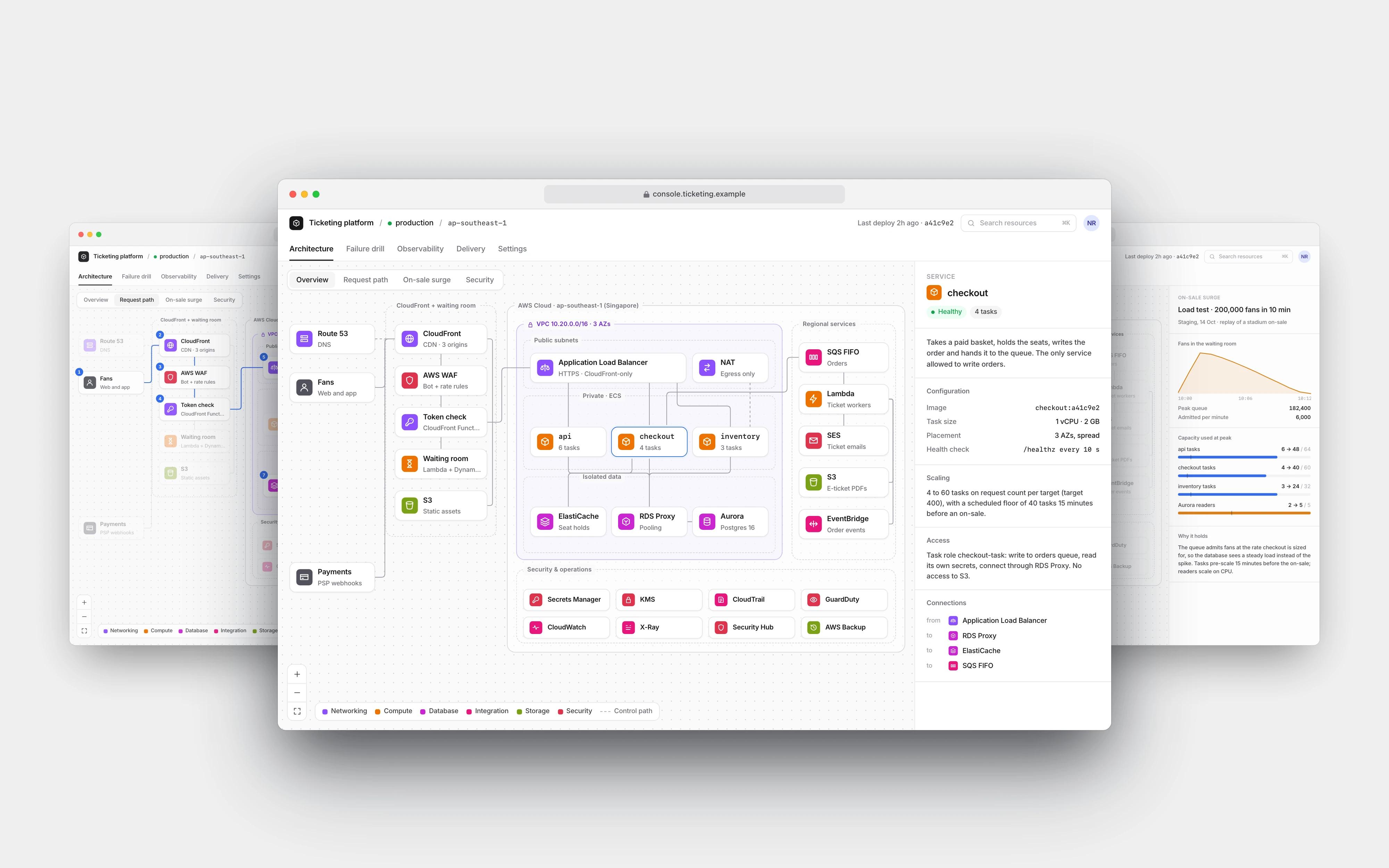
- Health & wellness
- iOS app
Nocturne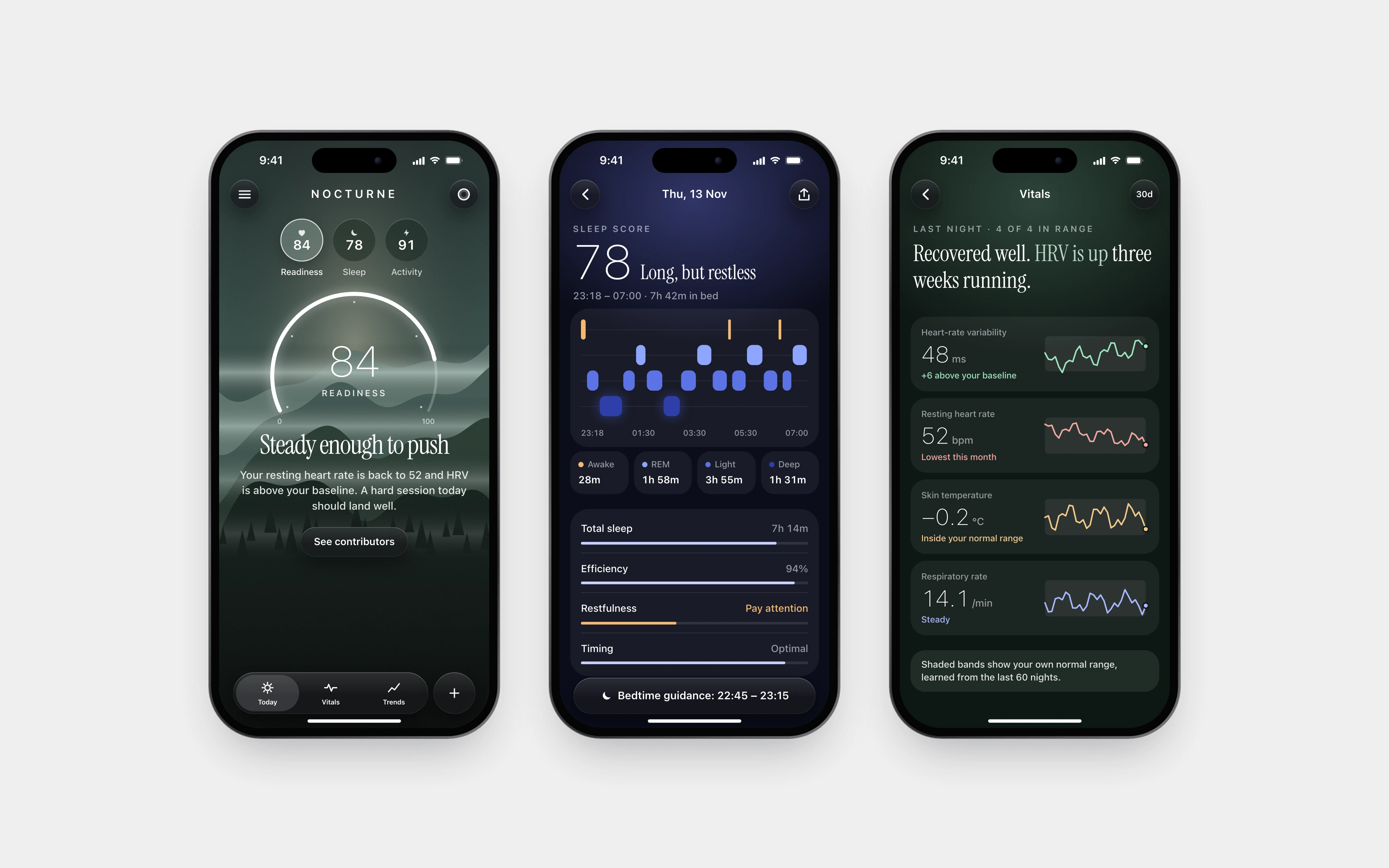
- Fintech
- iOS app
Saltwell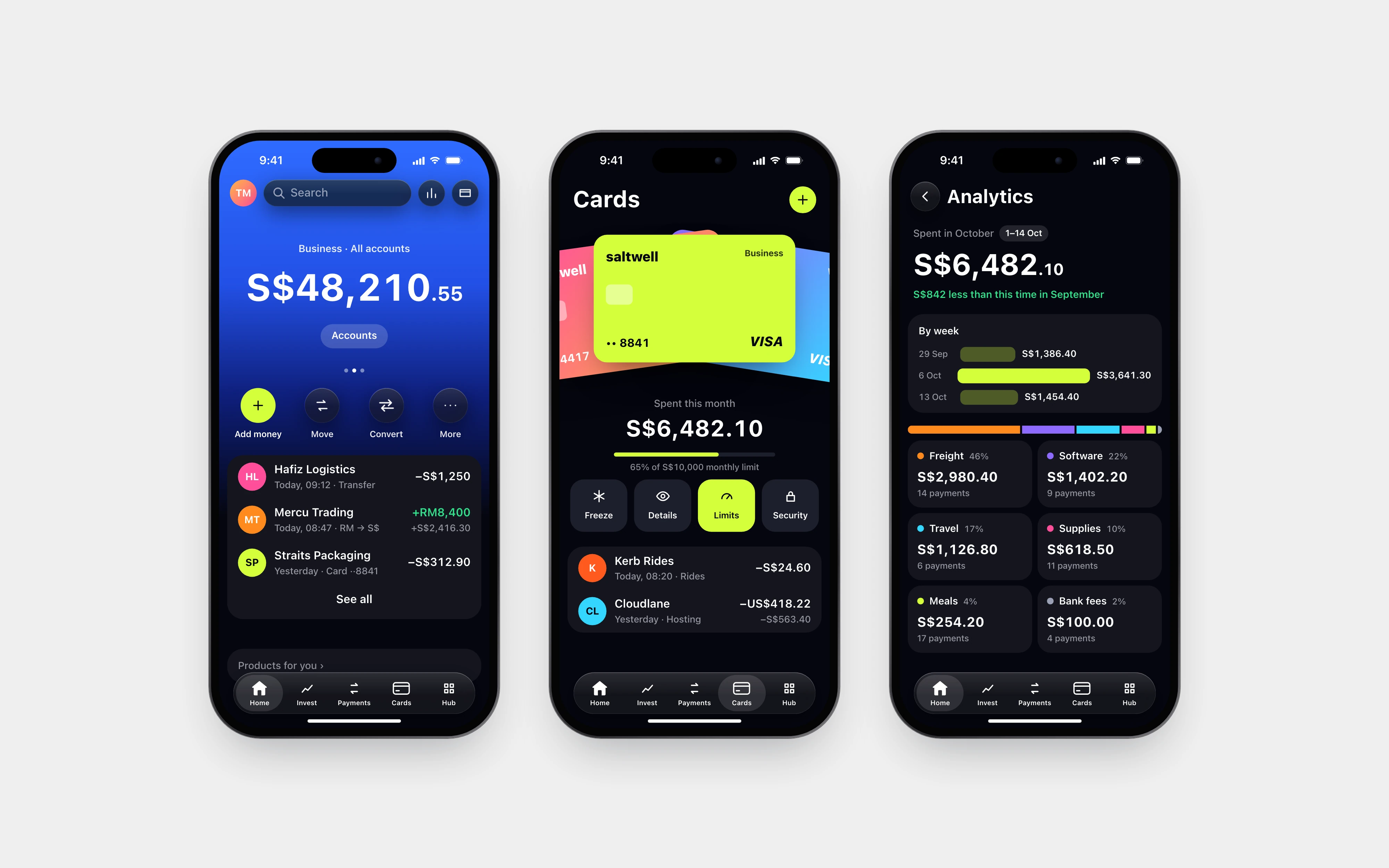
- Construction
- Automation
Fitwell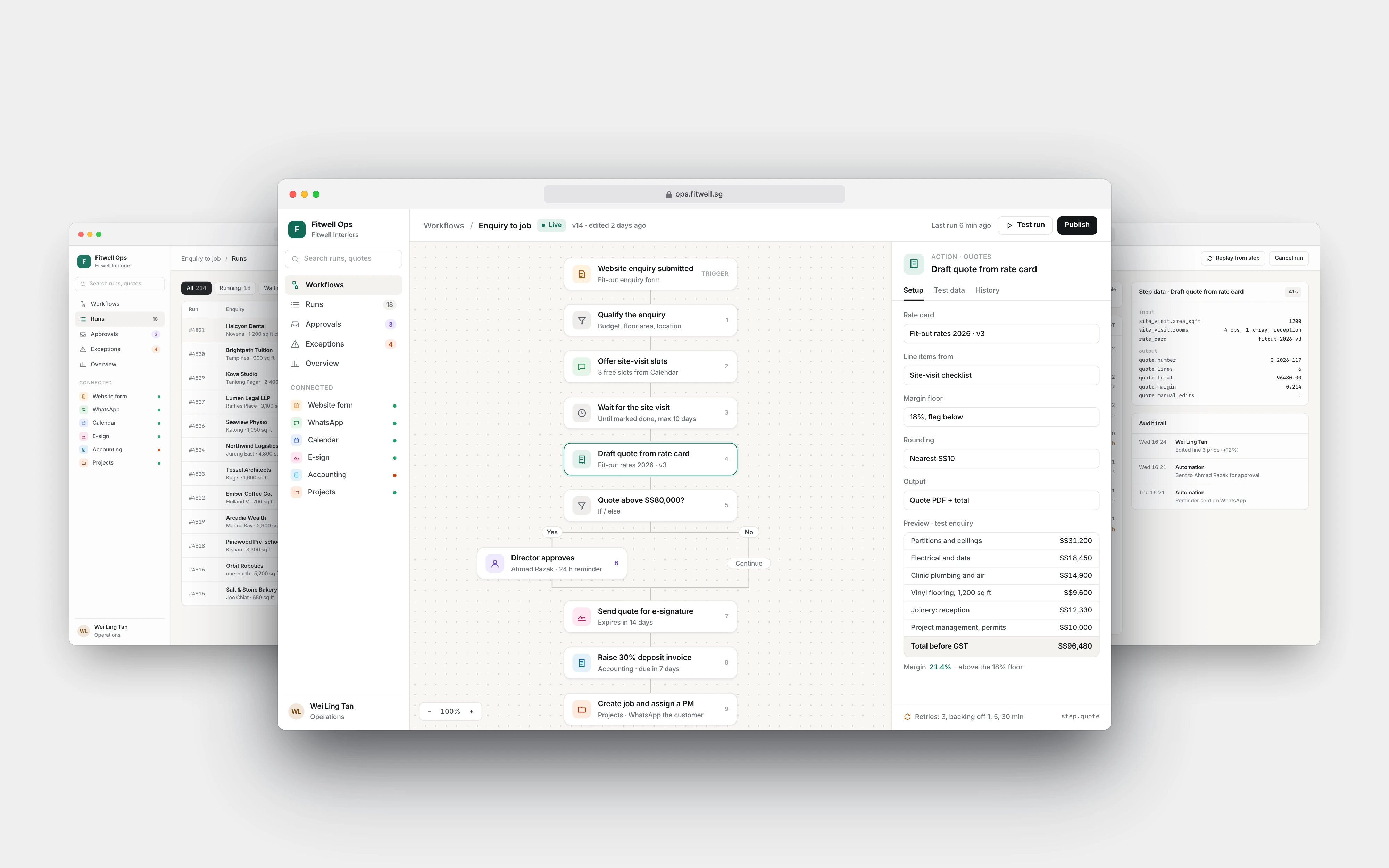
- Digital wellbeing
- Onboarding flow
Hush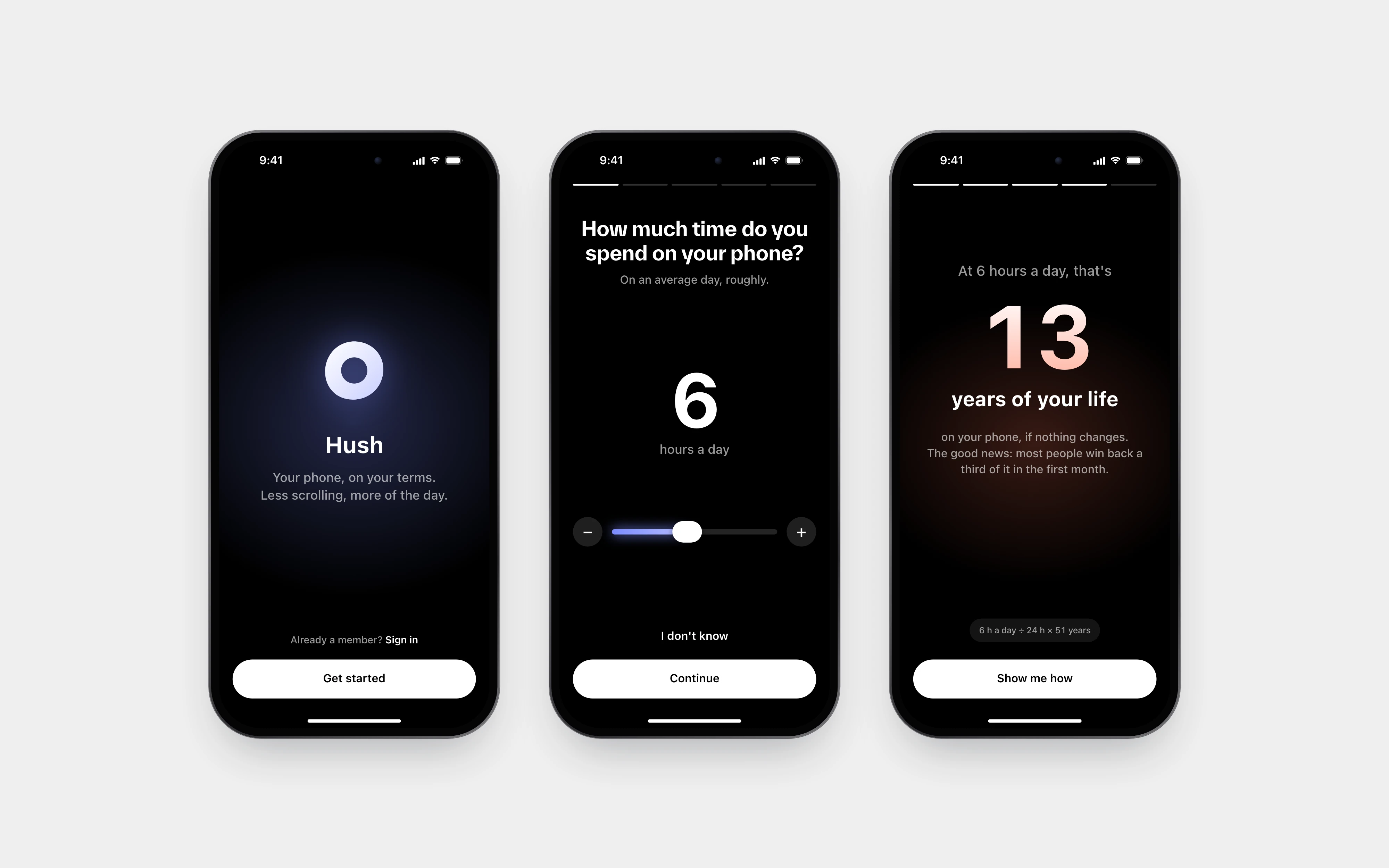
- Retail
- Dashboard
Tillpoint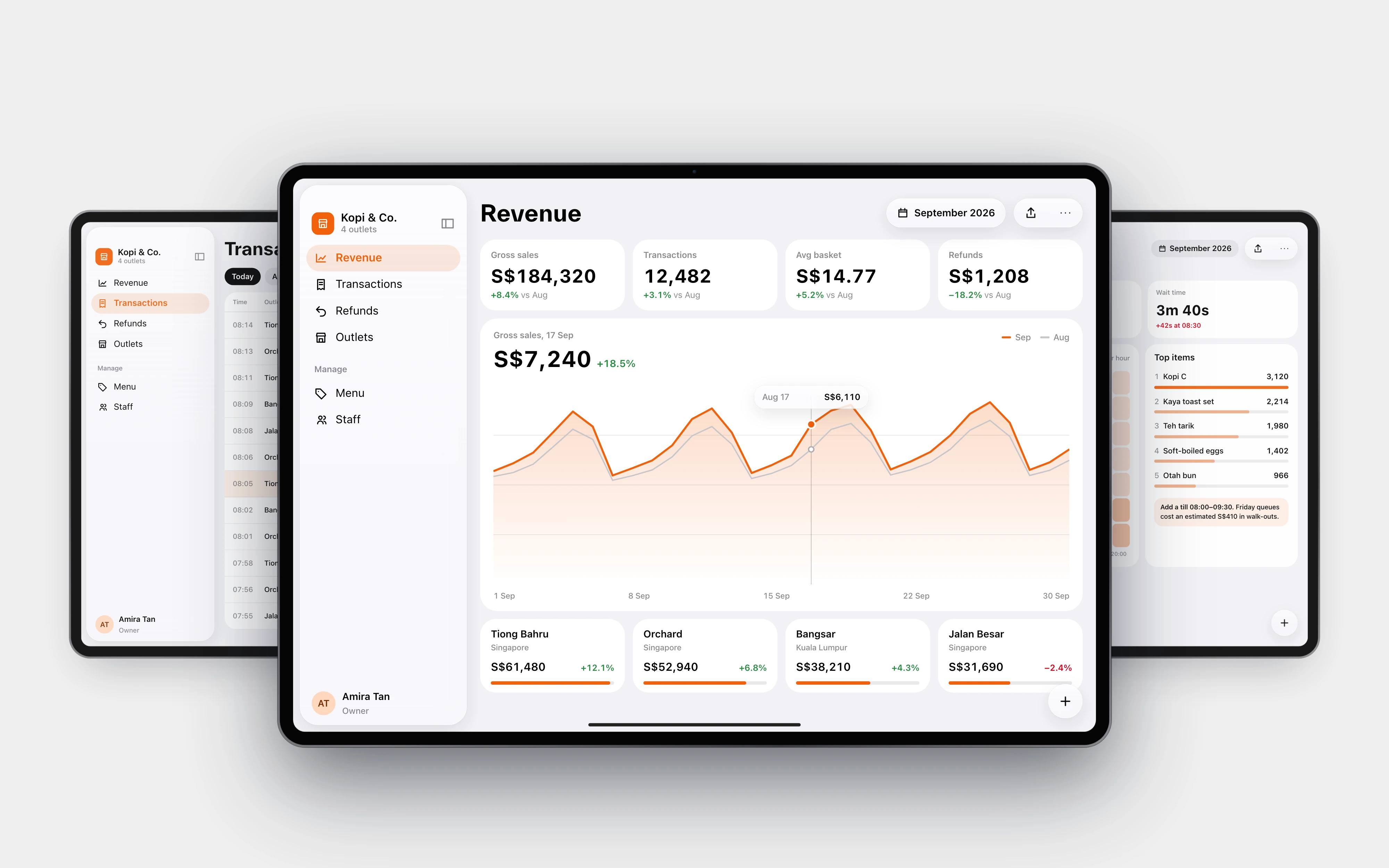
- Travel
- iOS app
Contrail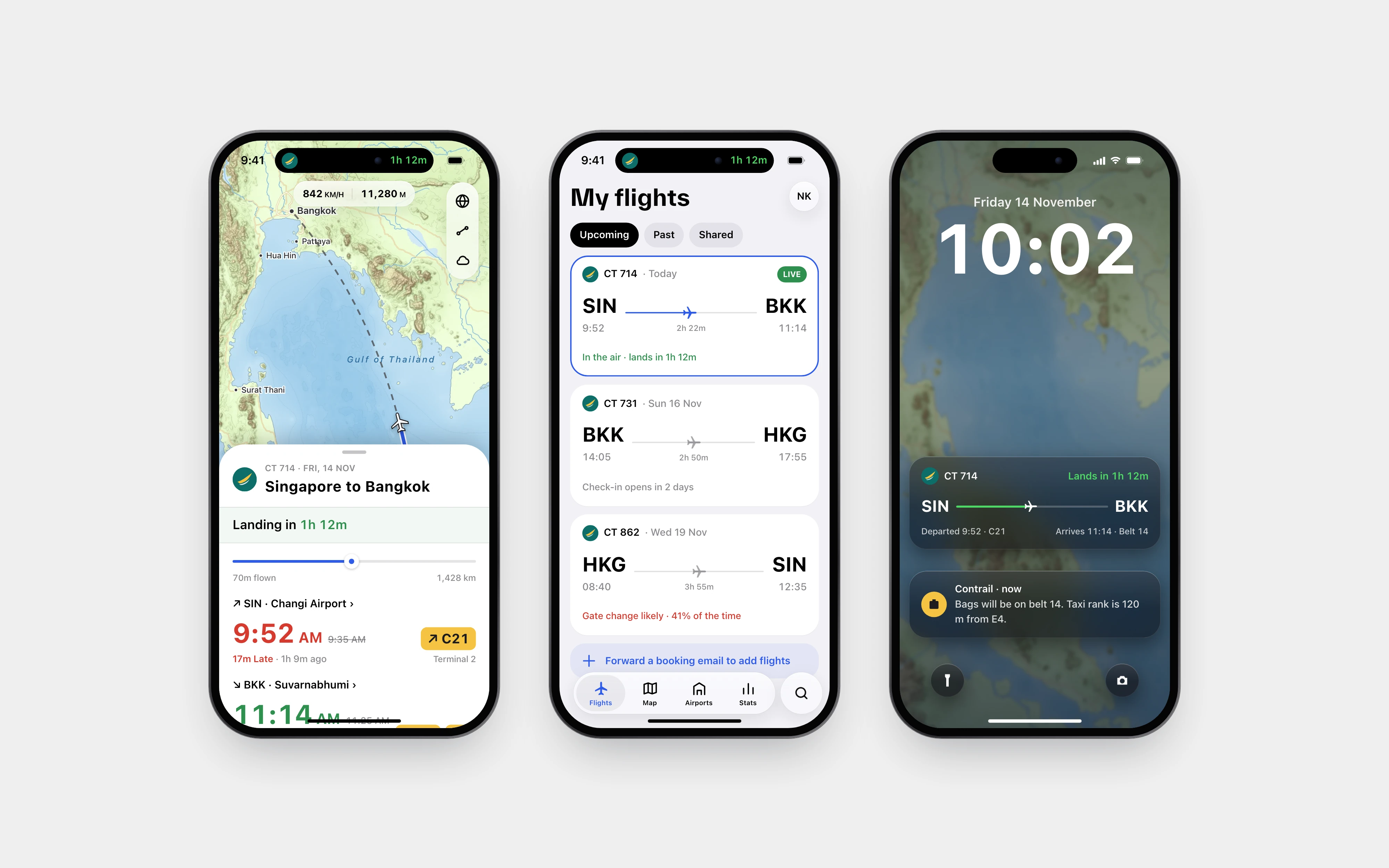
- Education
- Onboarding flow
Parlo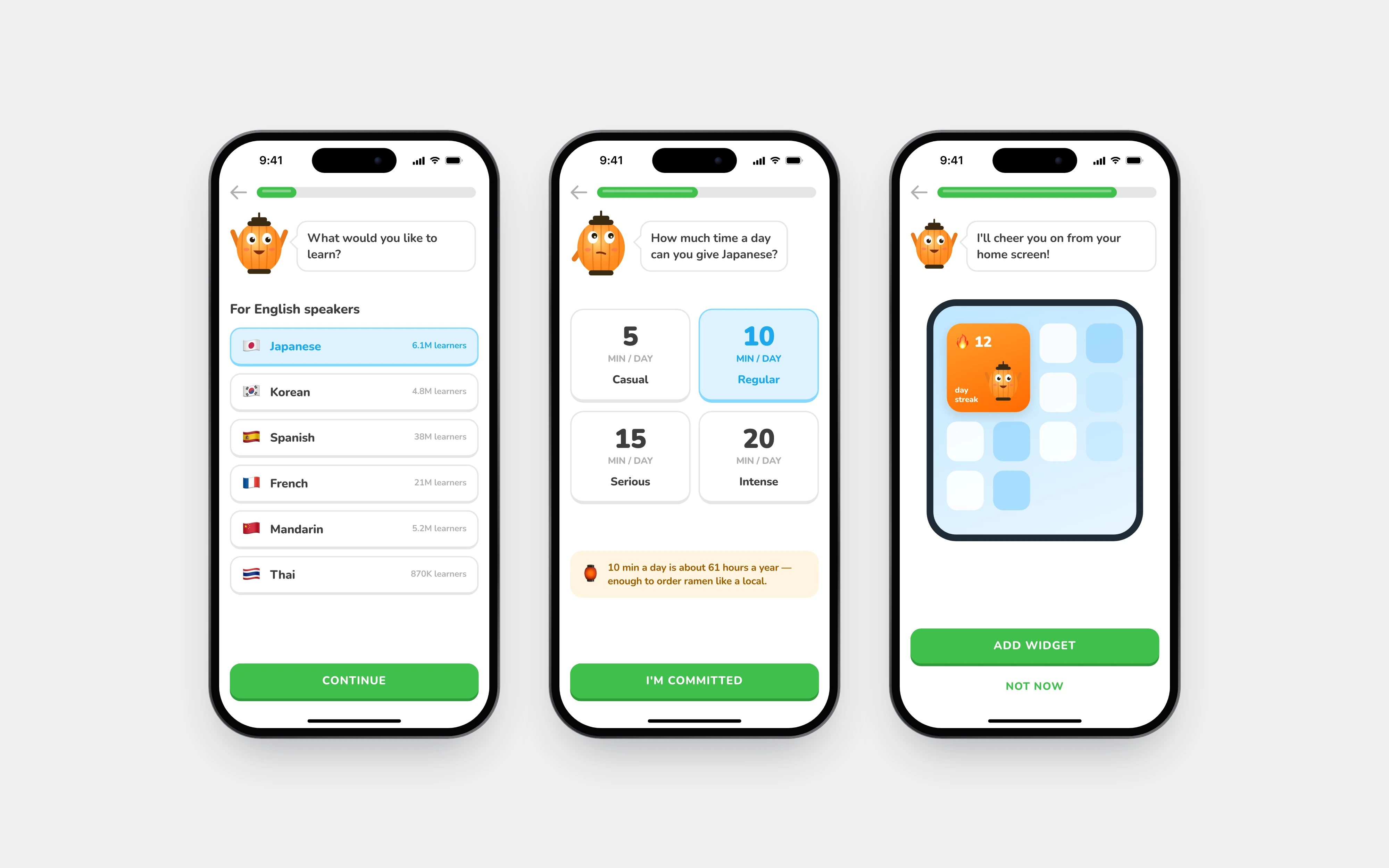
- Fitness
- iOS app
Kestrel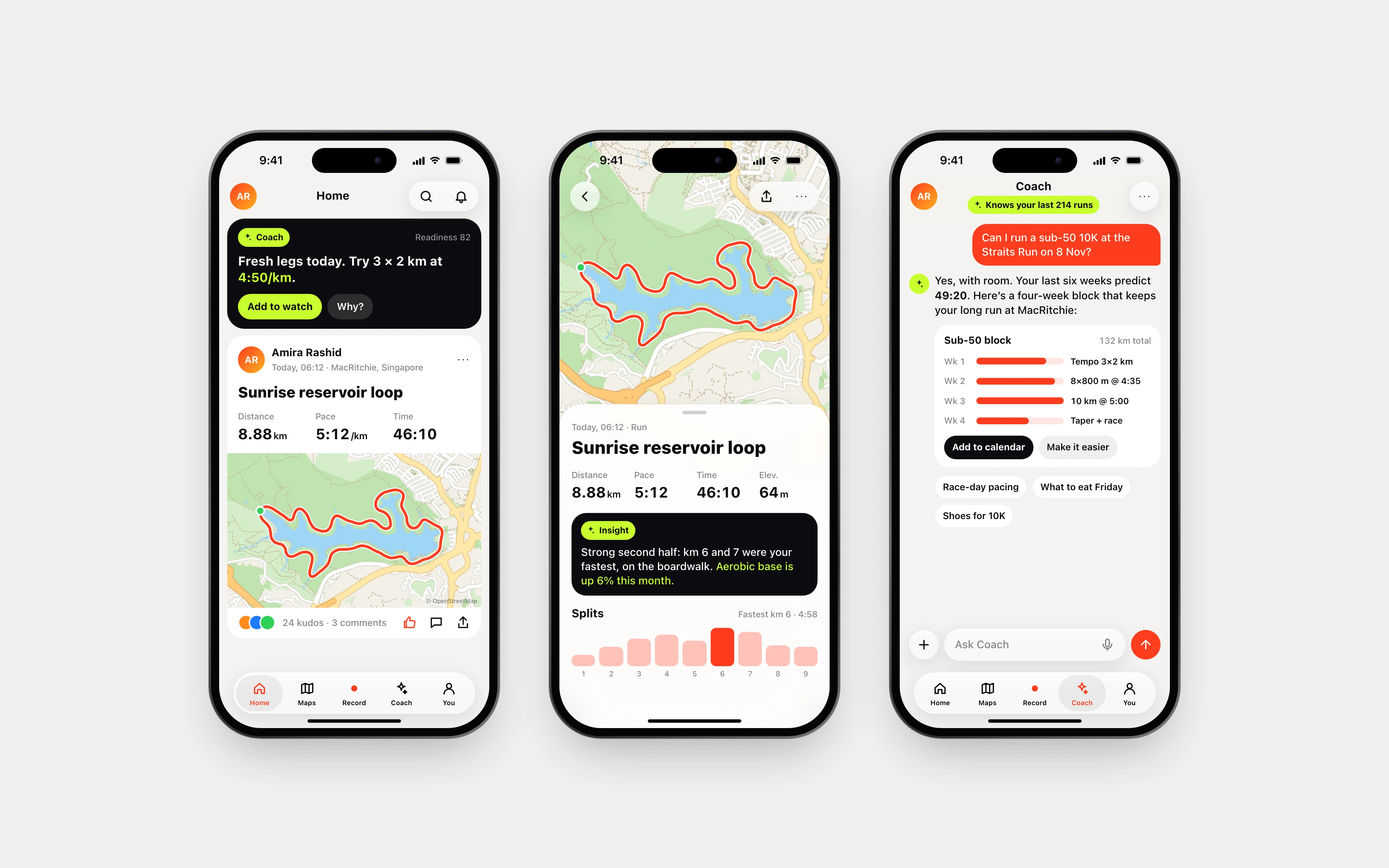
- Logistics
- Dashboard
Dockyard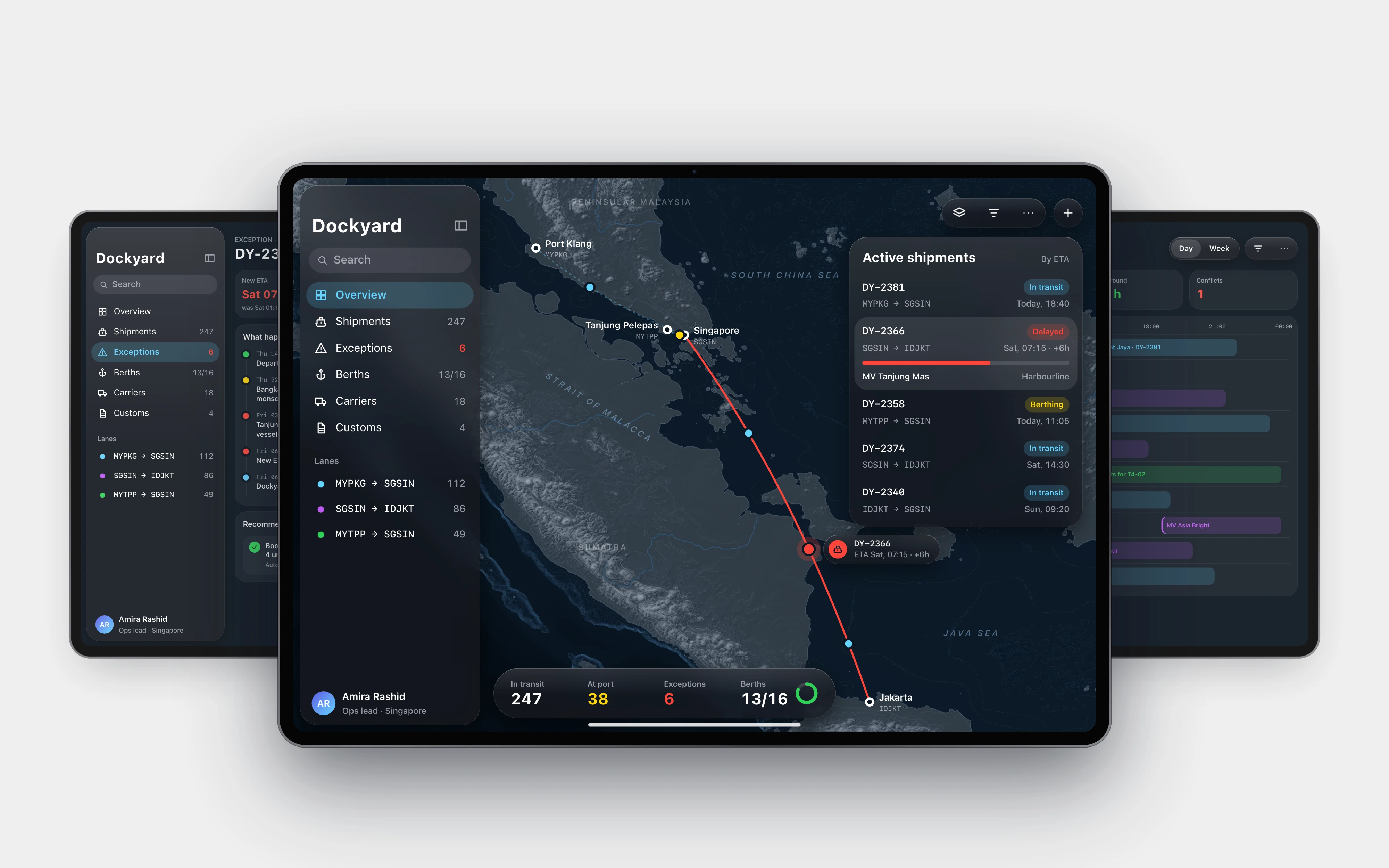
- Fintech
- iOS app
Tessera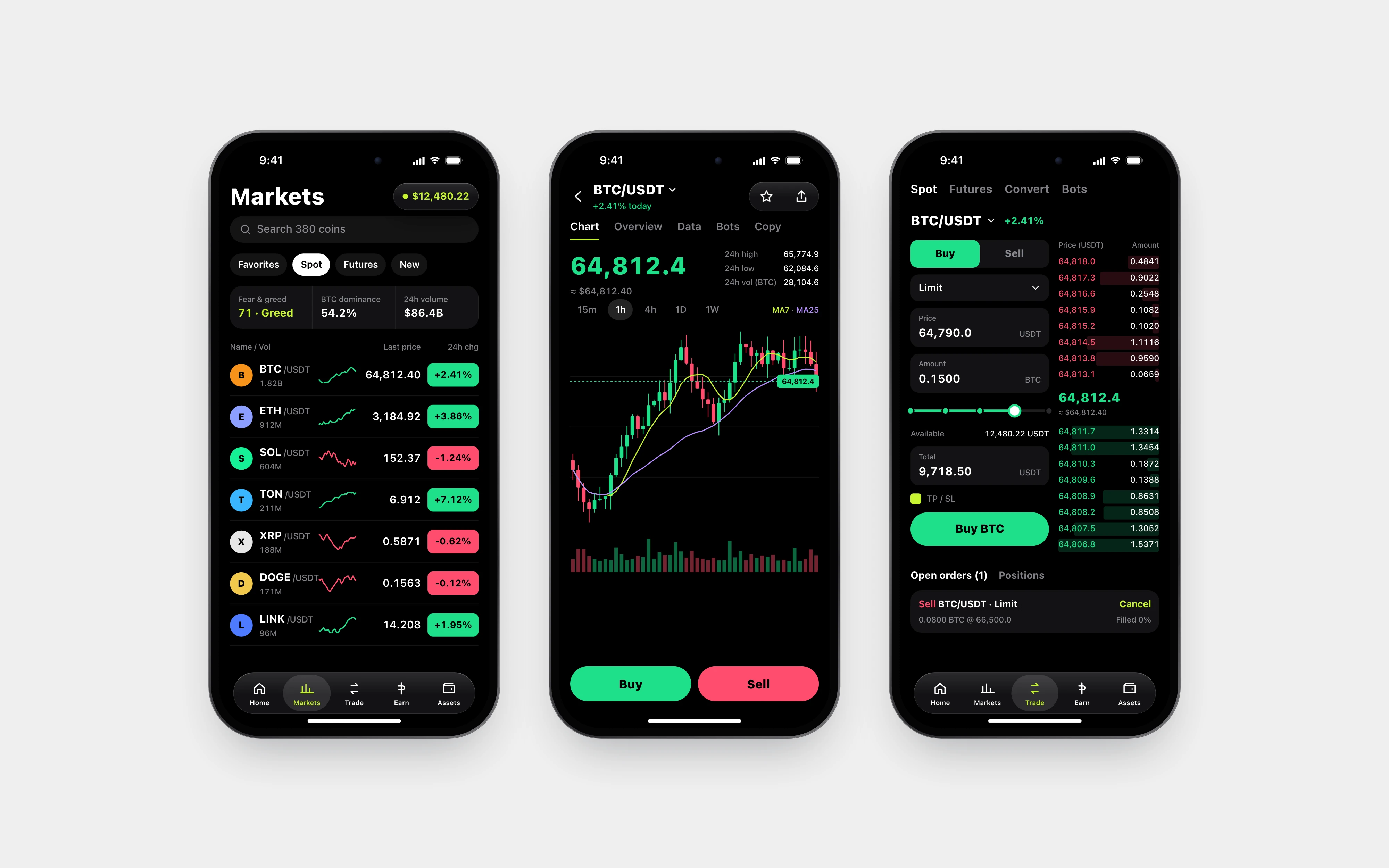
- E-commerce
- iOS app
Pollen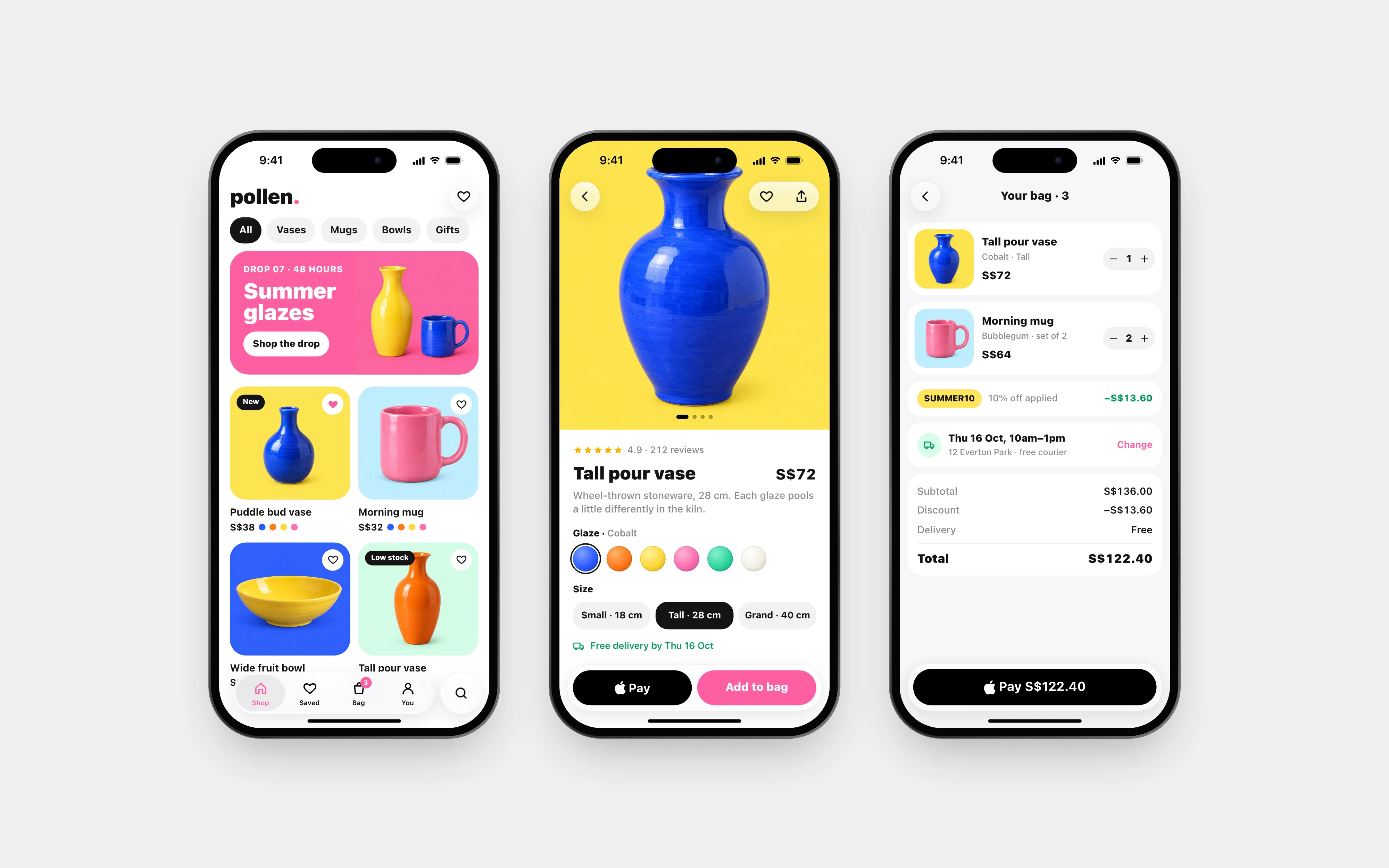
- SaaS
- Dashboard
Plumb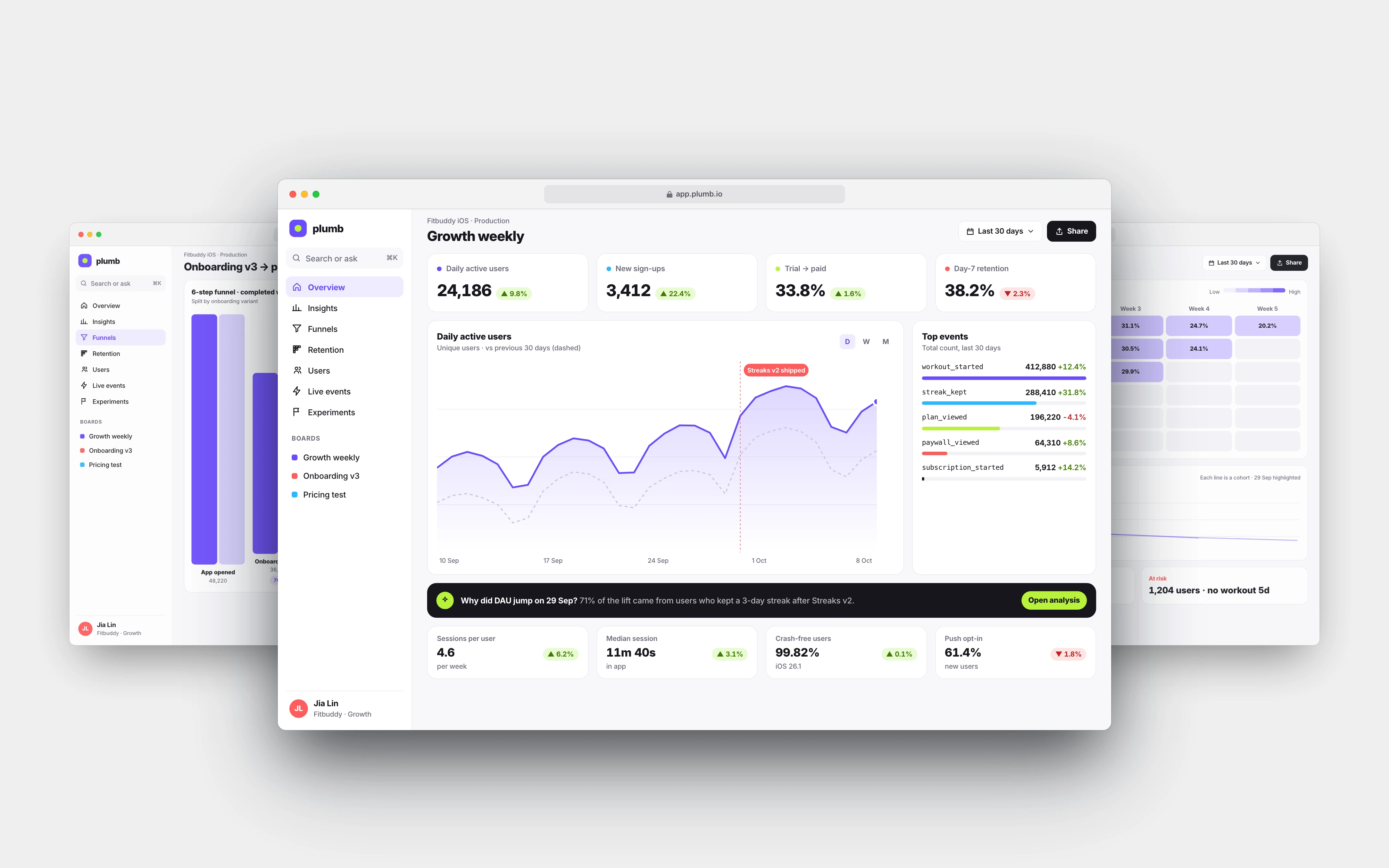
- AI
- iOS app
Wren